


Having missing or damaged teeth can seriously hamper the normal function of your mouth. Simple tasks such as speaking, eating, and smiling can be challenging and even embarrassing. The good news is that there are several different dental procedures and options that can restore functionality to your mouth.
One of the more common dental solutions involves opting for the dentures Mornington dentists recommend for people who are missing most of their teeth. Dentures, like any other dental solution, will require a significant amount of maintenance to keep them strong and durable.
Clarity on What Dentures Are
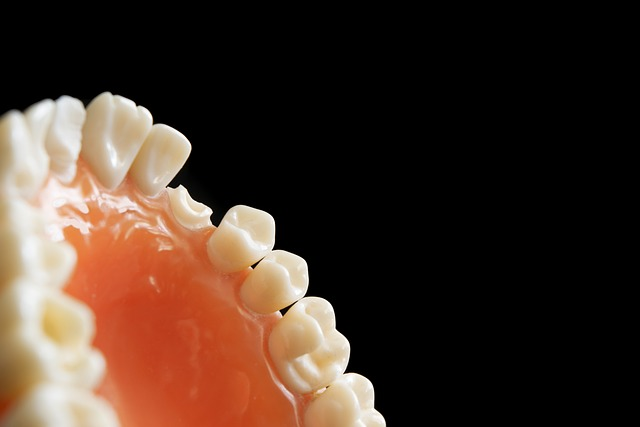
With so many different dental options currently on offer, you may be wondering why dentures are still a popular choice. Typically, dentures are removable replacements for all or partially missing teeth.
Dental technicians make dentures from materials such as resin, acrylic, porcelain, and even nylon. Dentures can either be full or partial, and this is how they compare:
- Full dentures: Sometimes referred to as complete dentures, these options replace all the teeth in your mouth. They rest on top of your gums and rely on the roof of your mouth or lower jawbone for support. You may also need to use denture adhesive to keep the dentures in place. Dentures are usually removed at night to give the gums a rest and also to soak in a cleaning solution.
- Partial dentures: Unlike the full version, partial dentures replace several missing teeth in both the top and bottom jaw. Similar to full dentures, the partial options rely on underlying bones and gums for support. Partial dentures feature special clasps that hook around your natural teeth to provide stability and keep them in place.
Quality Care Ensures Durability and Ease of Use
Getting dentures is an opportunity to restore the way your mouth looks and functions. It also requires having the remaining teeth pulled to make space for the dentures to rest on your gums.
If you’re going to put your mouth and your budget through this process, it makes sense to ensure that your dentures last for as long as possible. This only happens with proper care and maintenance. We’ve shared the key tips to help you get started with your denture care.
1. Daily Cleaning is Essential
When you receive your dentures, the golden rule will always be to keep them as clean as possible. This is essential as they can become damaged by certain foods. Bacteria can also form on them when they’re not in your mouth.
Bacteria on your dentures can lead to inflammation in your mouth, which means keeping them clean is crucial. This can easily be done by using a non-abrasive cleaner such as the specialised denture cleaners you can buy from your local grocery store. Apply the cleaner with a soft-bristled toothbrush and rinse it thoroughly after brushing.
2. Treat Your Dentures With Care
Your new dentures may look and feel strong, but keep in mind that they can break if accidentally dropped. Since repairing or replacing them can be costly and time-consuming, it’s important to take care of them as much as possible.
Dental experts recommend standing over a basin of water or a folded towel when handling your dentures. This will ensure that they don’t fall on a hard surface. It’s also a good idea to get a container to keep them in if you’re not going to put them in a glass of water at night.
3. Be Careful About the Foods You Eat
The initial hardness of your dentures may lead you to think that they can withstand chewing anything. However, it’s important to keep in mind that hard foods can break your dentures. You can avoid this by only eating soft foods and also cutting your food into smaller, more manageable chunks.
It may take some time to get used to your dentures, so it’s a good idea to chew gently in the first few weeks while you adjust. Some foods, such as beetroot and coffee, can easily stain your teeth if you have them often. Be sure to soak your dentures in denture solution after eating or drinking foods that will stain your dentures. This will reduce the likelihood of hem yellowing.
4. Check in With Your Dentist Often
It’s important to remember that visiting your dentist is equally important after you receive your dentures. Your dentist will assess whether your new dentures are fitting and working the way they should. While you may need some time to get used to your dentures, they shouldn’t be rubbing or scratching your gums.
Keep in mind that ill-fitting dentures will not only be uncomfortable but will also hurt your gums. Be sure to tell your dentist about any discomfort or pain you experience from wearing your dentures.
Final Thoughts
Proper care of your dentures is essential to ensure they last for years to come. Use our tips as well as any provided by your dentist to ensure your new teeth improve the overall functionality of your mouth. Taking care of your dentures will ensure you can smile, eat, and speak comfortably.
