


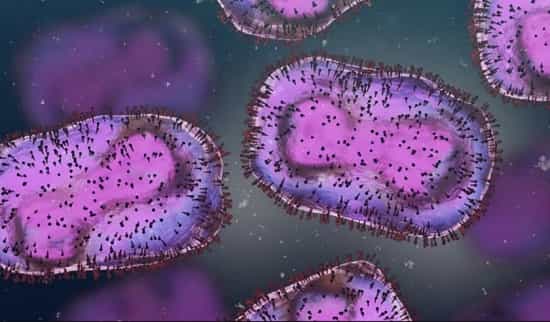
UK issues guidelines to control the monkeypox virus from spreading.
The UK’s health security agency (UKHSA) announced 71 additional cases of monkeypox virus in England on Monday (May 30, 2022), bringing the total number of confirmed illnesses in the UK to 179 since early May.
It also issued guidelines for preventing the spread of the viral illness, stating that those sick with monkeypox may isolate themselves at home if they are well enough while taking precautions to avoid close contact with others.
“Now that community transmission is happening here in the UK and other countries,” the UKHSA added, “the guideline lays out additional methods for healthcare professionals and the public to manage the illness and prevent future transmission.”
“Direct contact with someone who has monkeypox poses the greatest risk of transmission. The risk to the general public in the United Kingdom remains low, and anyone experiencing unusual rashes or lesions on any part of their body should contact NHS 111 or their local sexual health service right away “UKHSA’s Senior Medical Advisor and Monkeypox Strategic Response Director, Dr Ruth Milton, explained.
In addition, the UKHSA has acquired approximately 20,000 doses of Imvanex (provided by Bavarian Nordic), a safe smallpox vaccine. It is being given to identifying close contacts of persons diagnosed with monkeypox to limit the likelihood of symptomatic infection and severe disease.
Guidelines to control the monkeypox virus from spreading:
- People suspected, probable, or definite monkeypox should stay away from others until their lesions have healed and the scabs have dried. Cases may limit the danger of transmission by using conventional cleaning and disinfection techniques, such as washing their clothes and bed linen in a washing machine with regular detergents.
- Patients should avoid sex when symptomatic, especially during the early stages of symptom development and while lesions are evident. While there is presently no evidence of monkeypox in vaginal excretions, patients are encouraged to wear condoms for 8 weeks after infection as a precaution. This advice will be modified when new information becomes available.
- Suppose patients with a suspected, probable, or confirmed monkeypox infection need to travel for medical treatment. In that case, they should cover any lesions with a cloth and wear a mask, and avoid using public transportation if at all feasible.
- Contacts of monkeypox patients will be screened for risk and advised to isolate for 21 days if required.
- Pregnant healthcare professionals and those who are seriously immunocompromised (as defined in the Green Book) should avoid assessing or caring for anyone suspected or confirmed monkeypox. As new evidence becomes available, this guideline will be updated.
- Fit-tested FFP3 respirators, aprons, eye protection, and gloves are the minimum required personal protective equipment (PPE) for employees dealing with confirmed cases. Fluid repellent surgical facemasks (FRSM), gowns, gloves, and eye protection are the minimum required PPE for employees in likely or probable situations.
- Individuals who are clinically well should be maintained in a single room with separate bathroom facilities in non-domestic residential settings (for example, adult social care, jails, homeless shelters, and refuges). Close contacts of confirmed patients should be vaccinated as well.

Eric is a professional news editor, writer, and blogger for the last 10 years. He is working with NewsGater as an off-beat news editor cum writer.