


Patna: Bihar recorded a double-digit growth rate in financial year 2019-20, more than double the growth rate nationwide at that time. The growth rate in Bihar in the 2019-20 fiscal year was recorded at 10.5 percent, while it was 4.2 nationally during the period, the 2020-21 Economic Study presented in the state legislature during the day said. Also read – Thanks to Facebook, 11-year-old Patna Boy reunites with his family after 15 months
The state had posted a 9.3 percent growth rate in fiscal 2018-19, according to the survey, adding that the increase in the following financial year was largely driven by growth in the services sector. Also Read – Explained: What is an economic survey and why is it important?
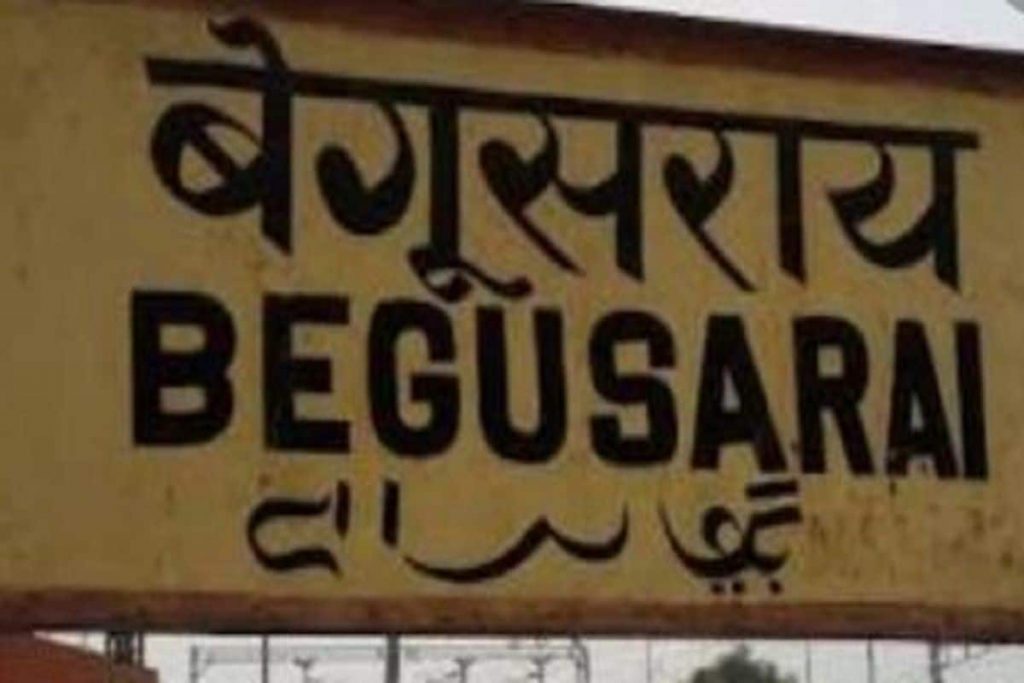
According to the Economic Survey, the districts of Muzaffarpur, Patna and Begusarai topped the list in LPG consumption, the lowest consumption being the districts of Banka, Araria and Kishanganj. Read also – Fed up with constant teasing, the woman Patna stabs her mother-in-law in the head and gouges her eyes out
Being the capital of Bihar, the prosperity of Patna is not as impressive as that of Begusarai and Munger. The per capita income in Begusarai is Rs 45,540, while the Munger per capita income is Rs 37,385. Compared to these two districts, the gap between wealth and poverty in Shivahar is much deeper.
“Bihar recorded a double digit growth rate of 10.5 percent in 2019-20, which is higher than the growth rate of the Indian economy by 4.2 percent in the same fiscal year,” said the Deputy Chief Minister Tarkishore Prasad while speaking to journalists after presenting the 15th Economic Study at the assembly.
Prasad, who also has the finance department, said that the COVID-19 pandemic has affected the whole world and also has its negative impact on the Indian economy and Bihar.
The survey has 13 chapters and each chapter has a section on initiatives taken by the government during the pandemic, he said.
Among the three main sectors (primary, secondary and tertiary), the tertiary sector has registered a notable increase in its share from 57.3 percent in 2013-14 to 60.2 percent in 2019-20, said the FM.
Within the tertiary sector, two subsectors that had notably increased their participation in the Gross State Added Value (GSVA) between 2013-14 and 2019-20 are – Road transport (from 4.4 to 5.9%) and other services (from 10.5 to 5.9%). 13.8 percent), he said.
The State Gross Domestic Product (GSDP) stood at Rs 6,11,804 million at current prices and Rs 4.14,977 million at constant prices (2011-12) in 2019-20, it added.
The Dy CM was accompanied by the Chief Secretary of the Finance departments, S Sidhartha, Prabhat P Ghosh, Director of the ADRI expert group, who has been assisting in the preparation of the survey.
Sidhartha made it clear that the data provided in the survey is for the 2019-20 fiscal year, although some data has also been taken up to September 2020.
The growth rate for the current fiscal year 2020-21 will be issued separately later as it is difficult to know what the growth rate of the current fiscal year is because the state is experiencing “V-shaped” growth, he said.
Bihar has consistently been a revenue surplus state since 2004-05, Sidhartha said, adding that the state government revenue account remained in surplus during 2019-20.
State government borrowing as part of the GSDP increased from 3.6 percent in 2018-19 to 4.8 percent in 2019-20, according to the survey.
He added that the gross fiscal deficit was 2.0% of the GSDP in 2019-20, which is less than 2.7% in 2018-19.
Stating that the overall contribution of agriculture and the related sector to the GSDP states was 18.7 percent, he said that the state posted a substantial record production of food grains at 163.80 lakh tonnes in 2019-20.
Speaking of work and employment, the survey said that the distribution of workers by employment status suggests that 57.6 percent of male workers in Bihar were self-employed, while the proportion of regular salaried male workers in Bihar was only 9.7 percent. the lowest among all the states of India.
Noting that the credit deposit ratio (CD) is quite low in Bihar, the survey indicated that the CD ratio of registered commercial banks in Bihar has increased from 34 percent in 2018-19 to 36.1 in 2019-20, which is lower than the national average of 76.5 percent.
The low index indicates that banks are not making the most of their resources to promote economic activity in the region from where they have mobilized deposits, he added.
.

She is a freelance blogger, writer, and speaker, and writes for various entertainment magazines.