


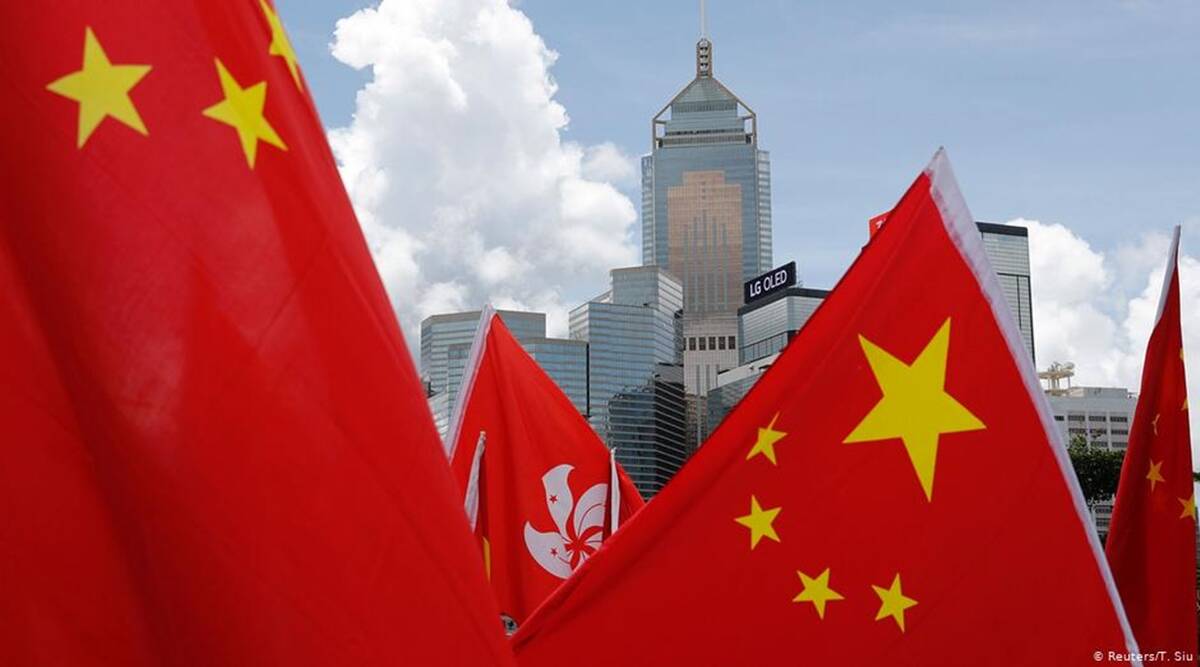
China approves Hong Kong electoral system reform bill
The highest decision-making body in the Chinese parliament unanimously adopted a controversial plan to reform Hong Kong’s electoral system by a vote of 167-0 on Tuesday.
The sweeping bill is the biggest reform of Hong Kong’s political system since the territory returned to Chinese rule in 1997, and comes as Beijing seeks to consolidate power over the financial center.
What does the electoral reform law change?
Under the changes approved by the Standing Committee of the National People’s Congress of China, the number of directly elected representatives in the Hong Kong legislature will drop from 35 to 20, while the size of the legislature would increase from 70 to 90 seats.
The plan also allows the ruling Communist Party of China to appoint more Hong Kong lawmakers, reducing the proportion chosen by the public.
Any candidate seeking to run will first need to be vetted for his political views, with the police and the city’s new national security apparatus providing briefings on the candidates.
The number of members of the electoral committee will increase from 300 to 1,500.
The Electoral Committee is responsible for electing the Hong Kong Executive Director and many of the Legislative Council (LegCo) members.
Full details of the electoral reform law have not yet been released to the public. The bill has been imposed directly by Beijing, bypassing the Hong Kong legislature.
How will this affect Hong Kong?
As most legislative seats will now be selected by pro-Beijing officials, the changes are expected to curb the power of the opposition.
The measures are seen as an attempt to further erode Hong Kong’s autonomy and crackdown on the pro-democracy movement, which drew tens of thousands to the streets in protests in 2019 and 2020.
The Chinese authorities have rejected the criticism, saying that electoral reform is necessary to ensure the stability of the region. Officials say the reform seeks to remove “loopholes and shortcomings” and ensure that Beijing loyalists are in control.
In the wake of pro-democracy protests, Beijing pushed through a controversial national security law in June last year, which has been used to prosecute or arrest activists.
What has been the international reaction?
The reform of Hong Kong’s political system sparked global outrage when the changes were approved by China’s National People’s Congress two weeks ago.
Following the announcement, the UK said China was no longer complying with Hong Kong’s joint declaration, an agreement that ensured a “one country, two systems” agreement for the territory.
The United States and the European Union also condemned the move.

She is a freelance blogger, writer, and speaker, and writes for various entertainment magazines.