


During the lockdown, Mumbai-based businesswoman Shaan Khanna noticed that her fashion chats and WhatsApp networks were being dominated by food. They all went to their kitchens and sold their specialties. From everyday comfort foods like Sindhi curry and Salli chicken to niche items like pork pickles and peanut butter buns, home chefs were cooking it all. Khanna, who is experienced in creating networking platforms for startups, saw the opportunity to create a WhatsApp group specifically for home chefs selling their creations and people interested in buying them.
So in the summer of 2020, he created ‘Food Lovers’, a WhatsApp chat for the residents of Cuffe Parade and Colaba. Khanna herself began selling her father’s kebabs on chat, while others offered sourdough bread, assorted sauces, and jars of sambhar. Now, at the beginning of 2021, there are five WhatsApp chats for foodies with members from all over Mumbai.
We spoke with people who embarked on culinary adventures during the confinement about how they started, how their small businesses evolved, and what the outlook is for home chefs in 2021.
Meet the home chefs
When the pandemic hit, Samay Ved’s business of supplying manpower to airports came to a halt. In June, Ved, who lives in Andheri, says: “I was tired of sitting all day. I got my idea for Roti Mania from a conversation I had with older people. They were having a hard time making chapatis for themselves, since most of the house helpers had left. So my business started offering authentic homemade whole wheat flatbreads for seniors. ”Little by little, families and young people also started ordering Roti Mania and Ved began to diversify their offerings to include gluten-free flatbreads and theplas.
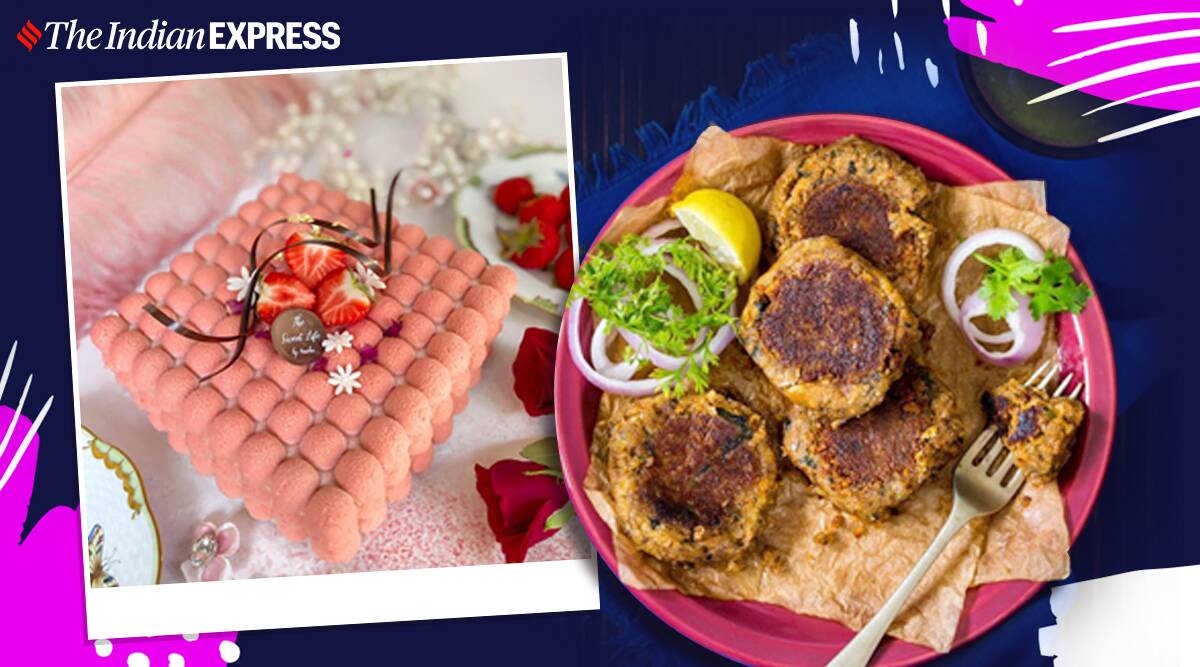
 Strawberry and chocolate entremets, The Sweet Life by Anisha. (Photo: Anant Berlia)
Ved’s story is a common one, of a young man who uses confinement to help his communities and find purpose. Another common story is that of homemakers entering the workforce for the first time. Andheri’s homemaker Toral Shah began spending more time in the kitchen during the confinement. Her family saw her potential and encouraged her to start Healthy Bites, an energy bar and homemade mukhwas business. “The answer continues to surprise me,” says Shah, adding, “There is a high demand for healthy, personalized snacks delivered safely.”
While WhatsApp groups offered a market for staples, snacks, and authentic ghar ka khana, formally trained chefs also made inroads into the home chef ecosystem. Anisha Berlia, trained at the Culinary Institute of America and Le Cordon Bleu London, had always wanted to start a pastry business. “Lockdown gave me time to devote my full attention to testing recipes, sourcing ingredients, and turning our garage into a workspace,” she says. In June 2020, he launched The Sweet Life by Anisha, a Nariman Point-based business specializing in Entremets, a complex French pastry shop.
Ghar ka khana it becomes conventional
The home chefs did not leave when the confinement ended. Diwali was a huge turning point for their businesses. Ved and Shah were inundated with custom basket requests. Berlia reported that she had expected 5-6 orders per week, but suddenly she was placing 5-6 per day. After fulfilling their Diwali orders, people who had received their products as Diwali gifts contacted them and they have since become regulars.
“It’s human nature to want to feel special, like you’re getting something made just for you,” explains Ved of why his customer base expanded so quickly. “Every day I ask clients for feedback. I send you videos of the cooking process in my kitchen. And I have my own delivery man for the customer’s convenience. I believe that customers see small businesses as superior, safer, and more transparent. They are comfortable with the real ghar ka khana. “
Khanna, with her many years of following up on startups and market trends, doesn’t think these small food businesses will disappear even when people are more comfortable going to restaurants. “As devastating as the closure was, the silver lining was that home chefs were able to introduce consumers to the joy of supporting a small business,” says Khanna, adding, “This experience builds community through food. It has been incorporated during 2020 and is here to stay. “
WhatsApp groups are active as ever, with hundreds of offers posted daily that sell out quickly. Today, Valentine’s Day-themed desserts and dishes are making the rounds.
What is the future
 Beet Kebabs, House of Marinates by Shaan Khanna. (Photo: Anshita Saxena)
Vedant Kanoi, founder of FoodCloud, an online marketplace for ‘home entrepreneurs’, says: “The home chef ecosystem has historically been informal and disorganized, but 2021 will bring more organization through digital platforms.” FoodCloud, which won the 2020 National Startup Award in the Food Access category, operates in Delhi, Kolkata and Mumbai with more than 5000 home chefs on its platform. Kanoi added that “the growth of this space not only means that consumers have access to more authentic and healthier food options, but that the home chefs on FoodCloud, of which 80% are women, are economically empowered.”
Narendra Singh Dahiya, founder and CEO of Home Foodi, a mobile app that enables homemakers to become home cooks, is equally optimistic about the space’s growth. “Every month we grow 20% because consumers are realizing that cities lack authentic regional food restaurants. Home chefs offer what restaurants do not offer ”.
Home chefs operating small businesses in Mumbai expressed resistance to the digitization of the space.
“People who buy from home chefs are not looking for a third party moderated Swiggy experience. They like the interaction of WhatsApp and the nearby community, ”Khanna said. Berlia agreed and said her clients like to discuss their cake orders directly with her. Ved and Shah added that they don’t need high-commission apps to promote their businesses, as word of mouth and social media have been more than enough.
Still, Kanoi and Dahiya noted that there is enormous scope for scaling the food chef space through digital tools. “For people who feel intimidated, our platform offers a wide range of services to support small businesses,” Kanoi said.
“WhatsApp is limited to 256 people per group,” Dahiya continued. “But we are thinking big to connect thousands of chefs from across India in one mobile app.”
It is not yet known how this small business ecosystem will grow until 2021, but in the meantime, there is plenty of food from home chefs to enjoy from the comfort of your home.
.

She is a freelance blogger, writer, and speaker, and writes for various entertainment magazines.