


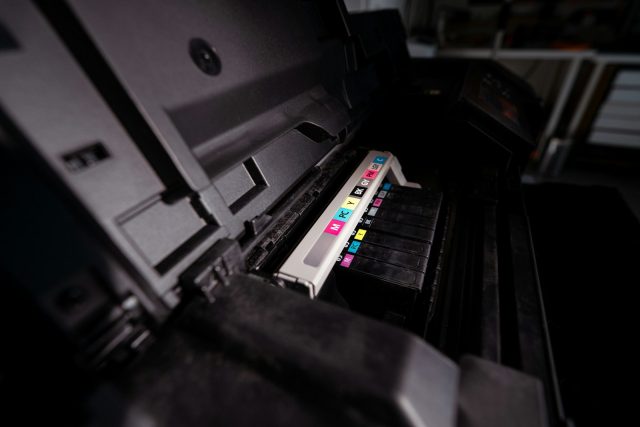
Most of us don’t think twice about what happens to an empty ink cartridge. It’s finished its job, the printer needs a replacement, and the old one often ends up in the bin. The problem is that ink cartridges are made from a mix of plastics, metals and residual ink that don’t break down easily. When they’re thrown away, they can sit in landfill for hundreds of years.
The good news is that recycling ink cartridges in Australia is straightforward, widely supported, and genuinely makes a difference. With a few simple steps, you can reduce waste, conserve resources and help keep harmful materials out of the environment.
Why Recycling Ink Cartridges Matter
Millions of ink cartridges are used across Australia each year in homes, schools and offices. When they’re dumped in landfill, they contribute to long-term plastic pollution and unnecessary resource waste.
Recycling helps:
- Reduce landfill waste
- Recover reusable plastics and metals
- Lower the demand for new raw materials
- Cut down on carbon emissions linked to manufacturing
Even better, many cartridge recycling programs are well established and easy to access.
Can You Put Ink Cartridges in Your Kerbside Recycling Bin?
Short answer: no.
Ink cartridges shouldn’t go in your household recycling bin. Their mixed materials and leftover ink can contaminate regular recycling streams. Instead, they need to be handled through dedicated programs designed specifically for printer consumables.
Where to Recycle Ink Cartridges
There are several convenient options to recycle ink cartridges:
1. Office Supply Stores
Many major office supply and electronics retailers have in-store collection boxes for used cartridges. You simply drop them in during normal shopping hours.
2. Schools and Workplaces
Schools, universities and offices often participate in cartridge recycling programs. If you’re unsure, ask your admin or facilities team, there may already be a collection box on-site.
3. Community Drop-Off Points
Libraries, council buildings and community centres sometimes host recycling points.
4. Mail-Back Programs
Some manufacturers and suppliers offer mail-back options. These are particularly useful if you live in a regional area or don’t have a nearby drop-off location.
How to Prepare Ink Cartridges for Recycling
Preparing cartridges properly helps avoid leaks and makes handling easier.
Before recycling:
- Remove the cartridge from the printer carefully
- Place it in a bag if there’s any chance of ink residue
- Keep different cartridges separate if possible
- Do not attempt to open or dismantle the cartridge
Are Refilling and Reusing Better Than Recycling?
Refilling cartridges can be a good option, particularly if it’s done professionally. Reuse extends the life of the cartridge before it reaches the recycling stage, which is ideal from an environmental perspective.
However:
- Not all cartridges are suitable for refilling
- Quality can vary depending on the refill process
- Chips and seals can wear out over time
When a cartridge can no longer be refilled reliably, recycling is the best next step.
What Happens to Recycled Cartridges?
Once collected, cartridges are sorted and processed. Depending on their condition:
- Some are refurbished or remanufactured
- Plastics are broken down and reused in new products
- Metals are recovered and recycled
- Remaining materials are disposed of responsibly
This closed-loop process reduces the need for virgin materials and keeps waste out of landfill.
How Businesses Can Recycle at Scale
For offices and organisations that go through large volumes of cartridges, setting up a dedicated recycling system is simple and effective.
Steps businesses can take:
- Install clearly labelled collection boxes
- Educate staff on what can be recycled
- Schedule regular collections
- Track participation to encourage engagement
Many recycling programs offer customized solutions for businesses, making it easy to scale responsibly.
Final Thoughts
Recycling used ink cartridgesisn’t complicated, and it doesn’t take much effort. With nationwide programs, retail drop-off points and mail-back options, there’s almost always a convenient solution nearby.
By choosing to recycle rather than bin your cartridges, you’re making a simple but meaningful contribution to reducing waste and supporting a more sustainable printing cycle. It’s one small habit that adds up to a real environmental impact.
