


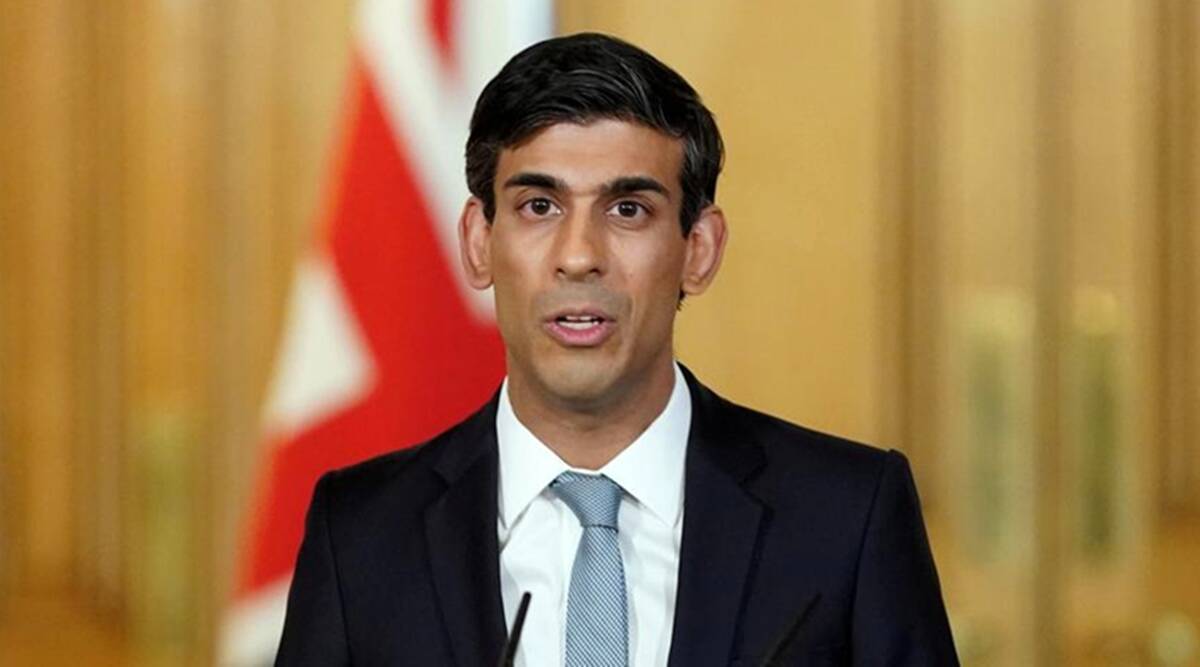
UK Chancellor of the Exchequer Rishi Sunak on Friday pointed to signs of resistance and indicated further supportive measures in his budget statement next month as the latest statistics show the UK economy suffered its biggest decline in more than 300 years. in 2020.
As most businesses, shops and restaurants continue to fight the coronavirus pandemic lockdown, the UK Office for National Statistics (ONS) found that the economy contracted 9.9 percent last year, more than double the 2009 figure at the height of the world economy. crisis.
The appalling numbers are the worst since 1709, when a cold snap known as the ‘Great Frost’ devastated what was then a largely agricultural economy in Britain.
“While there are some positive signs of the economy’s resilience during the winter, we know that the current lockdown continues to have a significant impact on many individuals and businesses,” Sunak said, responding to the figures.
“Today’s figures show that the economy has experienced a strong impact as a result of the pandemic, which has been felt in countries around the world,” said the senior Cabinet minister, who promised new plans to protect jobs and strengthen the economy. when you deliver your budget statement in the House of Commons on March 3.
Figures from the ONS showed a recovery from the record quarterly decline between April and June 2020, the second quarter, when GDP plummeted 20 percent as a result of the initial lockdown.
They also confirmed that the prospect of the so-called double dip recession was averted at the end of the year amid new lockdown conditions, with a first estimate for the October-December quarter showing 1 percent growth, a better performance than the expected.
“Relaxing restrictions in many parts of the UK saw elements of the economy regain some lost ground in December, with hospitality, car sales and hairdressers seeing growth,” said Jonathan Athow, Deputy National Statistician of economic statistics of the ONS.
“An increase in testing and tracking for COVID-19 also boosted production. The economy continued to grow in the fourth quarter as a whole, despite additional restrictions in November. However, GDP for the year fell almost 10 percent, more than double the largest annual decline recorded previously, ”he said.
According to historical data from the Bank of England, it marked the worst performance of the economy since the hibernation of the ‘Great Frost’ of 1709 when a horribly cold European winter, followed by widespread flooding, brought activity to a standstill.
.

She is a freelance blogger, writer, and speaker, and writes for various entertainment magazines.