



Simple lifestyle changes keep you safe from Colorectal cancer.
Most diseases stem from and are exacerbated by poor lifestyle choices. Since the pandemic occurred, people have tried to pay more attention to their overall health to stay disease-free.
Many people across the country continue to seek cancer treatment, and among them, colorectal cancer is one that needs urgent care. Dr. Rahulkumar Chavan, Consultant Surgical Oncologist, Hiranandani Hospital Vashi – A Fortis Network Hospital – says that colorectal cancer (CRC) is a disease that can be attributed to the “negative impact of changing lifestyle and eating habits.”
“It is often called a ‘Western lifestyle disease.’ The consumption of tobacco, alcohol, a diet rich in processed meats and low in fiber, obesity and little physical activity are common causes of colon cancer ”, he says.
What is it?
Dr. Chavan explains that the colon is part of our digestive system. As food continues to pass through the digestive tract, the nutrients it contains are absorbed. The colon also called the large intestine, turns the liquid form of unused food into solids by absorbing water, which is expelled in the form of feces or feces.
CRC is a disease in which cancer cells form in the tissues of the colon or rectum. “Our body has around 30 trillion cells that have pre-programmed rules governed by genes for how to behave. In simple words, cancer cells have psychopaths in them; they defy all these rules and multiply rapidly, grow out of control, invade nearby structures in our body, and can spread to a distant place within the body in late stages to form a new tumor, “he says.
Signs and symptoms
It is generally seen in a population over 45 years of age, with complaints of changes in bowel habits such as a repeated history of constipation or diarrhea, bloating, passing blood or mucus in the stool, unexplained weight loss, easy fatigue, pain, or bloating. in the abdomen or decreased hemoglobin levels, during routine investigations. People with a strong family history of CRC can also have these characteristics in their 20s.
Delayed diagnosis
“Compared to other digestive cancers, CRC has a much better prognosis; still, early diagnosis is of utmost importance. Oftentimes, it can be a minor sign or symptom, such as a change in stool color to red or black, that should be seen immediately. Sometimes rectal bleeding is supposed to be due to common ailments like piles, ”explains the doctor.
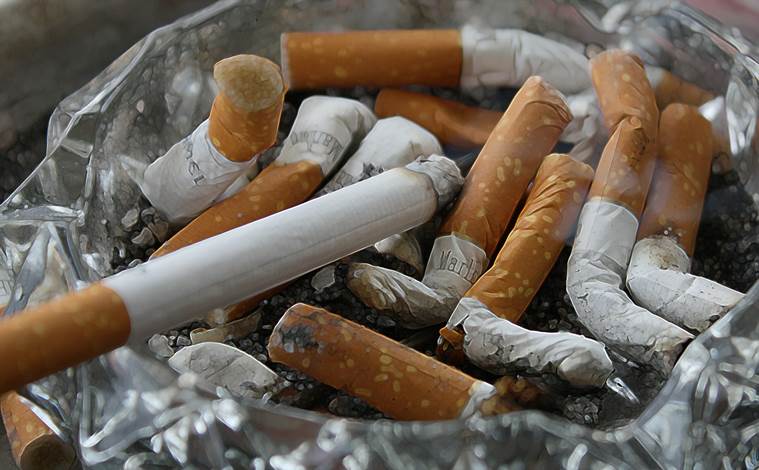 Avoid smoking and alcohol consumption which are carcinogenic. (Photo: Pixabay)
Early detection for early detection
Colonoscopy at the age of at least 45 years is important for the average-risk population. Patients who have a family history of CRC or those showing signs/symptoms should request an early colonoscopy after consulting with a physician. The frequency of repeat colonoscopy will be decided based on the patient’s age, family history, and findings from the first colonoscopy, says Dr. Chavan.
Lifestyle modification for the prevention
* Avoid smoking and alcohol consumption which are carcinogenic.
* Studies suggest that avoiding high-calorie foods, red and processed meats also reduces the risk of CRC.
* Perform the regular exercise with moderate intensity (for at least 30 minutes).
* Maintain a healthy body weight to minimize the chances of CRC.
* Eat a diet rich in vegetables, fruits, and whole grains that are high in fiber. The high-fiber diet not only reduces the risk of CRC but also of heart disease.

She is a freelance blogger, writer, and speaker, and writes for various entertainment magazines.