


UK variant hunters lead global race to stay ahead of COVID
On March 4, 2020, when there were only 84 confirmed cases of COVID-19 in the UK, Professor Sharon Peacock recognized that the country needed to expand its capacity to analyze the genetic makeup of the virus.
The Cambridge University microbiologist understood that genomic sequencing would be crucial to track disease, control outbreaks, and develop vaccines. So he began working with colleagues across the country to come up with a plan. In one month, the government had provided 20 million pounds ($ 28 million) to fund his work.
The initiative helped make Britain a world leader in the rapid analysis of genetic material from a large number of COVID-19 infections, generating more than 40 percent of the genomic sequences identified to date. These days, their top priority is finding new variants that are more dangerous or resistant to vaccines – information that is critical to helping researchers modify vaccines or develop new ones to combat the ever-changing virus.
“They have shown the world how this is done,” said Dr. Eric Topol, president of innovative medicine at Scripps Research in San Diego, California.
Genomic sequencing is essentially the process of mapping the unique genetic makeup of individual organisms. in this case, the virus that causes COVID-19. While researchers are using the technique to study everything from cancer to food poisoning outbreaks to the flu virus, this is the first time authorities have used it to provide real-time surveillance of a global pandemic.
Peacock, 62, is leading Britain’s sequencing effort as CEO and chair of the COVID-19 UK Genomics Consortium, known as COG-UK, the group she helped create a year ago.
During the first week of this month, COG-UK sequenced 13,171 viruses, up from 260 during its first 12 days of operation in March last year, according to weekly reports on the group’s website.
Behind that growth is a system linking the science of genomic sequencing with the resources of Britain’s national health system.
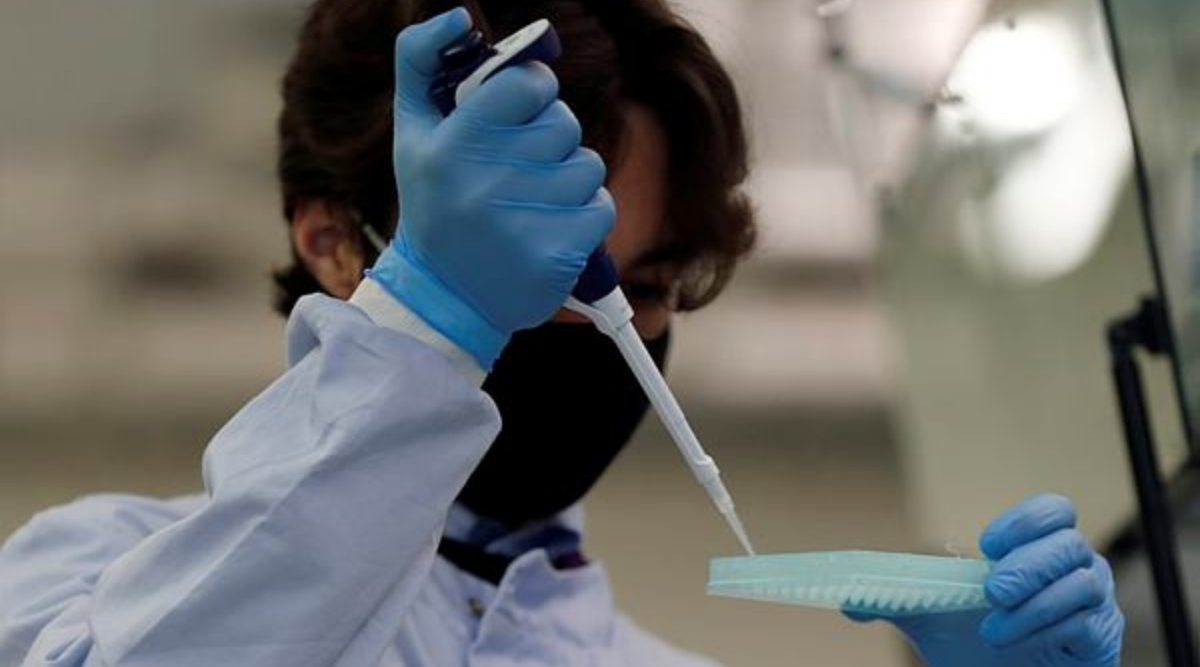
Positive COVID-19 tests from hospitals and community testing programs across the country are sent to a network of 17 laboratories where scientists spend their days extracting the genetic material from each swab and analyzing it to identify the genetic code. unique to that virus. The sequences are then compared to public health data to better understand how, where and why COVID-19 is spreading.
When mutations in the virus correspond to an unexplained increase in cases, it is a clue that a worrisome new variant is circulating in the area.
The importance of genomic sequencing became apparent late last year when the number of new infections began to rise in south-east England. When cases continued to rise despite tough local restrictions, public health officials went to work to find out why.
By analyzing genome sequencing data, the scientists identified a new variant that included a series of mutations that made it easier for the virus to jump from person to person.
Armed with this information, Prime Minister Boris Johnson imposed a national blockade, scrapping a strategy of local restrictions that had failed to contain the new variant.
Scientific research is crucial, but it’s like looking for a needle in a haystack because researchers must examine the genetic sequences of thousands of harmless variants to find the rare and dangerous ones, Peacock said.
“It is vital for us to understand which variants are circulating, both in the UK and around the world, and therefore the implications of that for vaccine development and how we may have to tailor vaccines.” He said.
The effort is a global collaboration, with more than 120 countries submitting sequences to GISAID, a data clearinghouse originally created to track influenza viruses.
Iceland, Australia, New Zealand, and Denmark actually sequence a higher percentage of their COVID-19 cases than Britain, and Denmark gets the job done faster. But COG-UK’s work, combined with Britain’s size and a large number of cases, has made it the world leader in COVID-19 sequencing. The UK has submitted 379,294 of the nearly 898,000 sequences in the GISAID database.
That work is paying dividends even for advanced countries like Denmark, where scientists use tools developed in Britain to analyze their own data, said Mads Albertsen, a professor at Aalborg University in Denmark, who is part of the country’s genomic sequencing effort.

She is a freelance blogger, writer, and speaker, and writes for various entertainment magazines.