


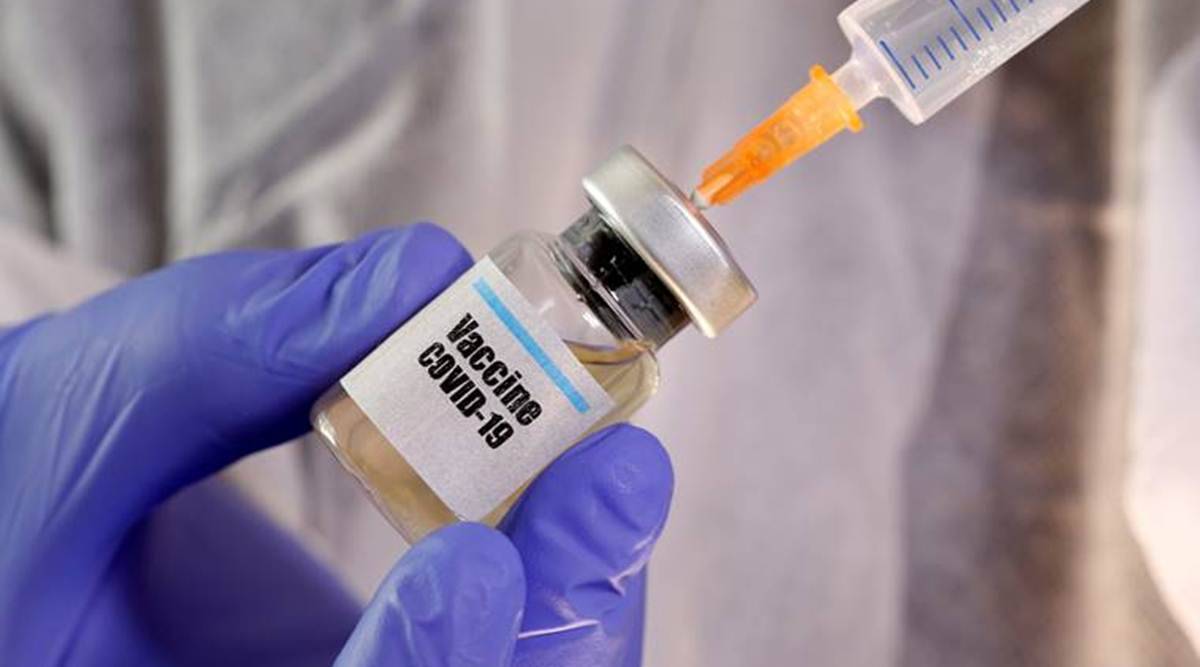
We have supplied more vaccines globally than having vaccinated our own people
India has supplied more COVID-19 vaccines globally than vaccinated its own people, the country told the UN General Assembly, warning that inequity in vaccines will defeat the collective global determination to contain the coronavirus as the disparity in the accessibility of vaccines will affect the poorest. more nations.
India was one of the initiators of the ‘Political Declaration on Equitable Global Access to COVID-19 Vaccines’ which garnered support from more than 180 UN member states.
India’s Deputy Permanent Representative to the UN, Ambassador K. Nagaraj Naidu, said at the informal General Assembly meeting on Friday that while the COVID-19 pandemic continues to persist, the year 2021 started on a positive note. with the global scientific community presenting multiple vaccines. to contain the pandemic.
“While the vaccine challenge has been solved, we are now faced with ensuring the availability, accessibility, affordability, and distribution of COVID-19 vaccines. The lack of global cooperation and the disparity in the accessibility of vaccines will affect the poorest nations the most, ”Naidu said.
India has been at the forefront of the global fight against COVID-19. Naidu told the General Assembly that India will not only vaccinate 300 million of its own front-line workers over the next six months but has also supplied vaccines to more than 70 countries in the process.
“In fact, to this day we have supplied more vaccines globally than we have vaccinated our own people,” Naidu said.
Two of India’s vaccines, including indigenously developed Covaxin, have already received emergency clearance, Naidu said, adding that 30 more vaccine candidates are in various phases of clinical trials.
The Covishield vaccine is the version of the AstraZeneca / Oxford vaccine produced by the Serum Institute of India. Covaxin is the vaccine developed indigenously by the pharmaceutical company Bharat Biotech.
The Political Declaration establishes that equitable and affordable access to safe and effective COVID19 vaccines must be guaranteed to have a speedy recovery and contribute to ending the pandemic.
The statement also expresses deep concern that despite international agreements and initiatives, the distribution of COVID-19 vaccines remains uneven around the world, both between and within countries.
“Therefore, we express our deep concern that a considerable number of countries have not yet had access to COVID-19 vaccines, and we emphasize the need for global solidarity and multilateral cooperation to increase the production and distribution of vaccines, regionally and globally ”.
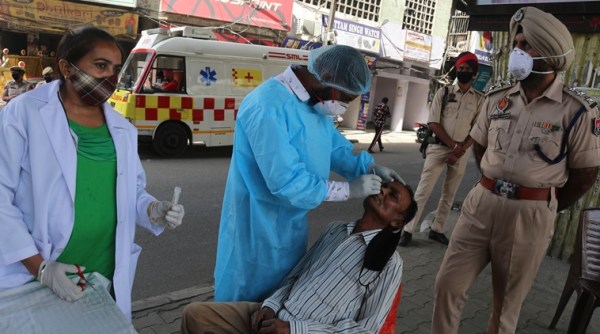 Swab sample from a man collected at Clock Tower Chowk in Ludhiana. (Express photo by Gurmeet Singh)
Naidu said that, as highlighted in the statement, equity in access to the vaccine is important to mitigate the impact of the pandemic.
“Inequity in vaccines will defeat our collective determination to contain the virus. The current disparity requires solidarity and cooperation within international frameworks such as COVAX, ”he said.
India, a major source of supply for Gavi’s COVAX facilities, contributed 20 million doses to the facilities last month. India had also announced a gift of 200,000 doses of COVID-19 vaccine for UN peacekeepers.
The vaccine shipment for peacekeepers left Mumbai in the early hours of Saturday and will soon land in Denmark, Naidu said.
India also underscored the need to collaborate on genomic surveillance to track virus mutations and variants and exchange information in a timely manner.
“Vaccine hesitancy must also be countered by public health science and infrastructure, and the capabilities of health workers to deliver vaccines must be strengthened globally,” he said.
Naidu highlighted the need for the international community to work collectively to support initiatives that ensure rapid and equitable distribution of vaccines and therapies to the most disadvantaged populations.
“Affordability, access and logistical issues must in no way become an obstacle in our fight against one of the greatest challenges facing humanity,” he said.
Naidu added that India is actively working with GAVI, the World Health Organization and ACT Accelerator.
“India and South Africa have also called on the WTO (World Trade Organization) to suspend intellectual property rights related to COVID-19 for a limited period of time, to ensure the rapid expansion of vaccine manufacturing and to ensure accessibility and affordability of vaccines for all, ”he said.
He also highlighted the importance of ensuring that ongoing global immunization programs related to polio, diphtheria and other diseases are not affected, as this will lead to the resurgence of other deadly diseases.
The head of the World Health Organization, Tedros Adhanom Ghebreyesus, has called on countries to work together so that all states can start vaccinating within the first 100 days of 2021. He said 177 countries and economies have started vaccination and added that there are only 15 days left before the 100 days. are up, 36 countries are still waiting for vaccines to start inoculating health workers and the elderly.
The president of the 75th session of the UN General Assembly, Volkan Bozkir, said at the meeting that the world, which entered the COVID-19 pandemic together, can also come out of it together.
“But that depends on fair and equitable access to vaccines. From the health worker in a small island developing state to a teacher in a refugee camp, to the elderly in care centers in our countries, we must all be covered, ”Bozkir said.

She is a freelance blogger, writer, and speaker, and writes for various entertainment magazines.